With NHS reform getting a lot of attention, the Socialist Health Association Scotland has published a discussion paper I drafted that outlines the issues and seeks views on the way ahead. It is vital that those who support the founding principles of the NHS engage in this debate and don't leave it to those who use 'reform' as a code for the privatisation of healthcare.
Nicola Sturgeon’s resignation has reminded everyone that she was the first SNP Health Secretary in 2007, holding the post until 2012. It has to be said she started well, building up constructive relationships with the trade unions. The previous Labour Health Minister, Andy Kerr, did many positive things but could be abrasive. In the main, she continued with the previous government’s policies. Labour had ended the marketisation of the NHS, abolished NHS Trusts, and introduced cooperation rather than competition. She went a little further by outlawing private companies running GP practices, a growing trend in England, and further developed the NHS partnership model of industrial relations. But, overall, it was continuity with emollience.
However, while continuity has its strengths, it also meant tough political decisions were ducked. Nicola Sturgeon binned a report by Professor David Kerr that proposed a shift from hospital to community care, with better social care integration. Consequently, when budgets tightened with austerity, bed numbers fell, but social care capacity did not respond to growing demand from an ageing population. After promising to scrap PFI, they rebranded it. Instead, we got worthwhile reforms around minimum alcohol pricing and free prescriptions, but the significant structural challenges were ignored. The focus on inequality and prevention, recommended by the Christie Commission, is still gathering dust on the shelf.
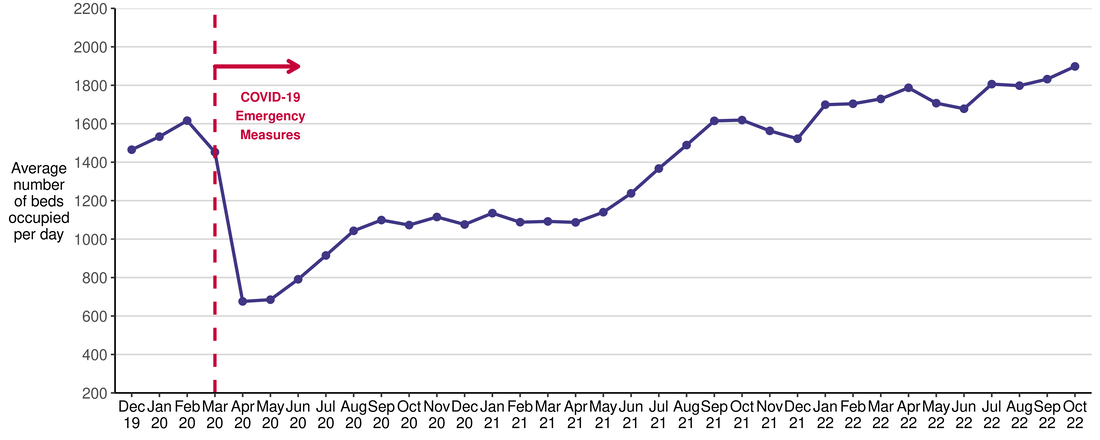
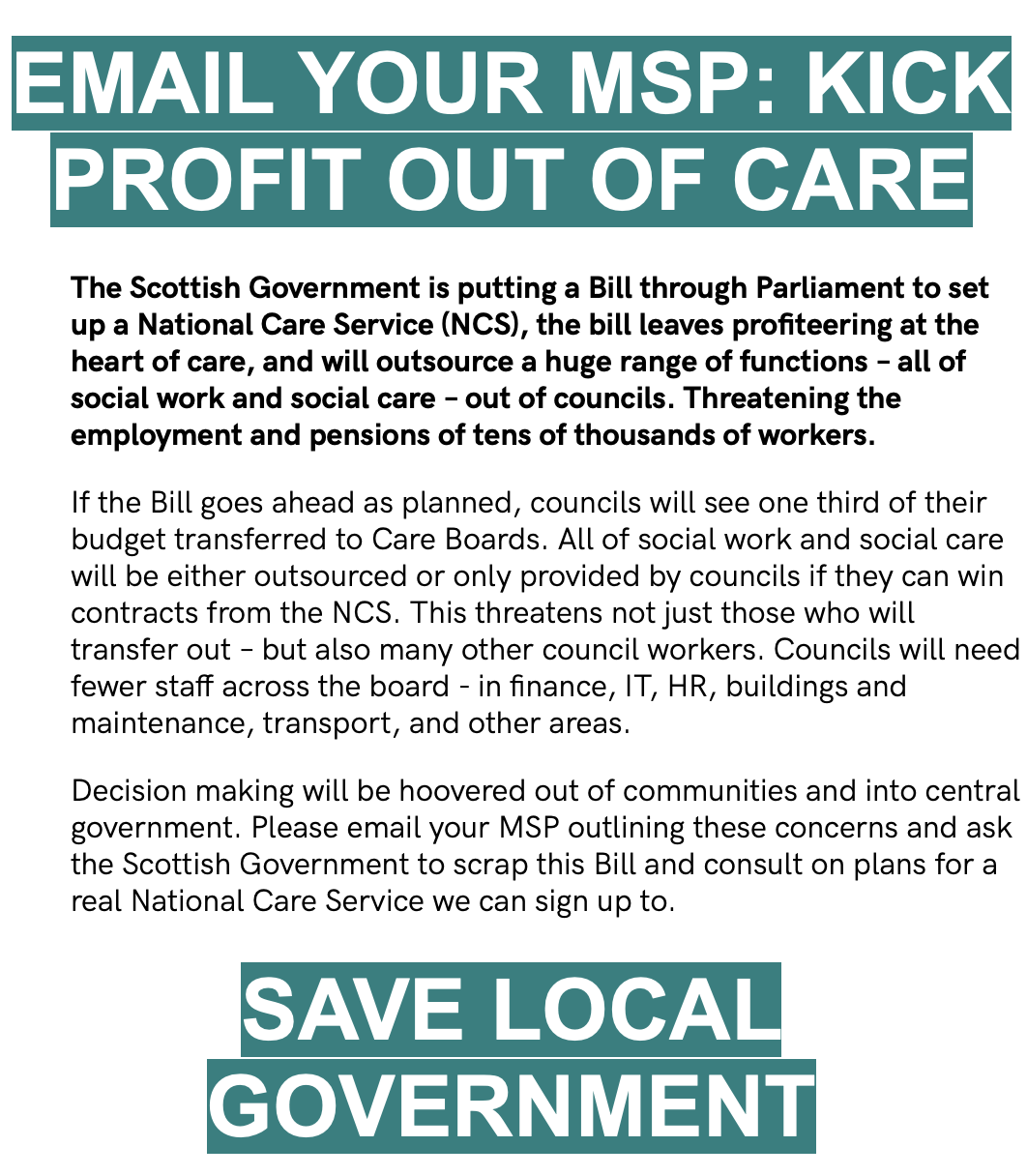
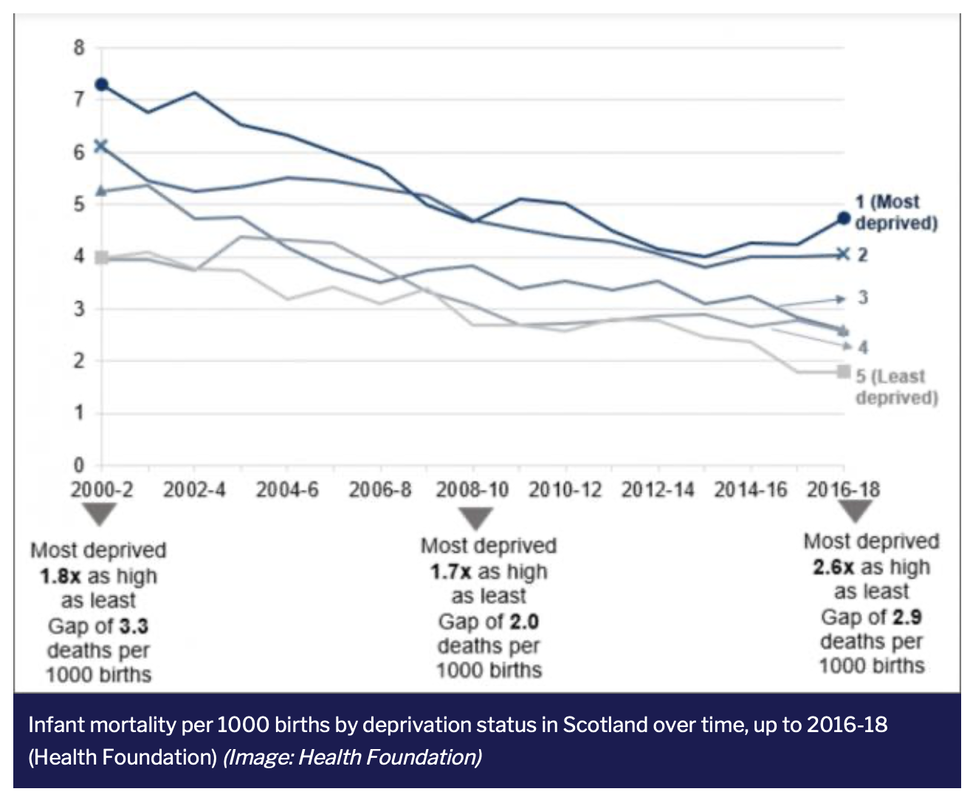
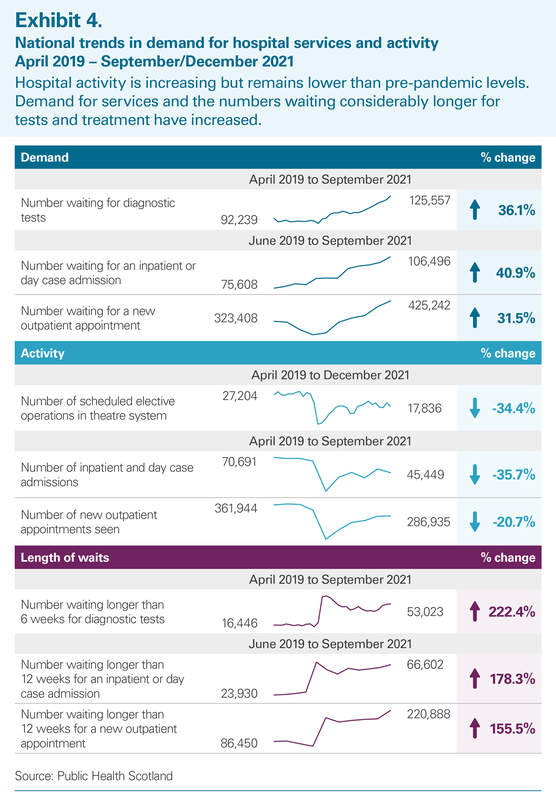
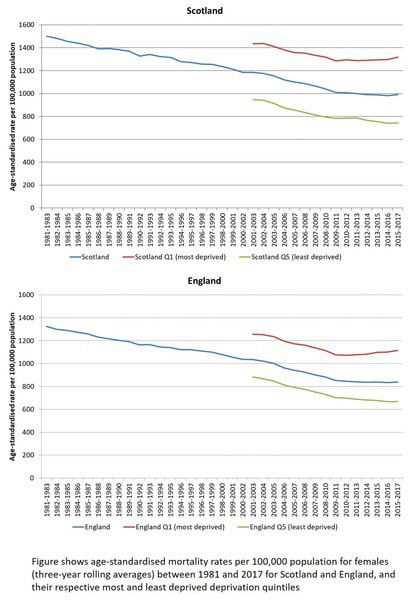
Now, in the wake of a pandemic, these long-standing issues are biting the NHS with a vengeance. Waiting times have spiralled along with staff vacancy rates, ambulances queue outside A&E, cancer treatment has slowed, drug deaths have doubled, and health inequalities are worsening. Even when they eventually got around to reforming social care, they took a sensible National Care Service plan around national frameworks and turned it into a centralised monster - devouring local government and community services in its wake.
So, it is now left to others to pursue genuine reform. Not Tory privatisation or insurance systems which, as Gordon Brown highlights, would add more costs to an NHS whose spending levels have not matched similar countries. A point seemingly lost on a particular Green Scottish Government minister as well.
As for Scottish Labour's new plan to merge health boards, that is fine as far as it goes. I recall coming across the same plan presented to a pre-devolution health minister when I worked in the health department. The problem is that merging acute boards makes sense only if you manage community services in another way. We have tried many different ways of doing this since Joint Finance in the 1970s, and none have been a complete success.
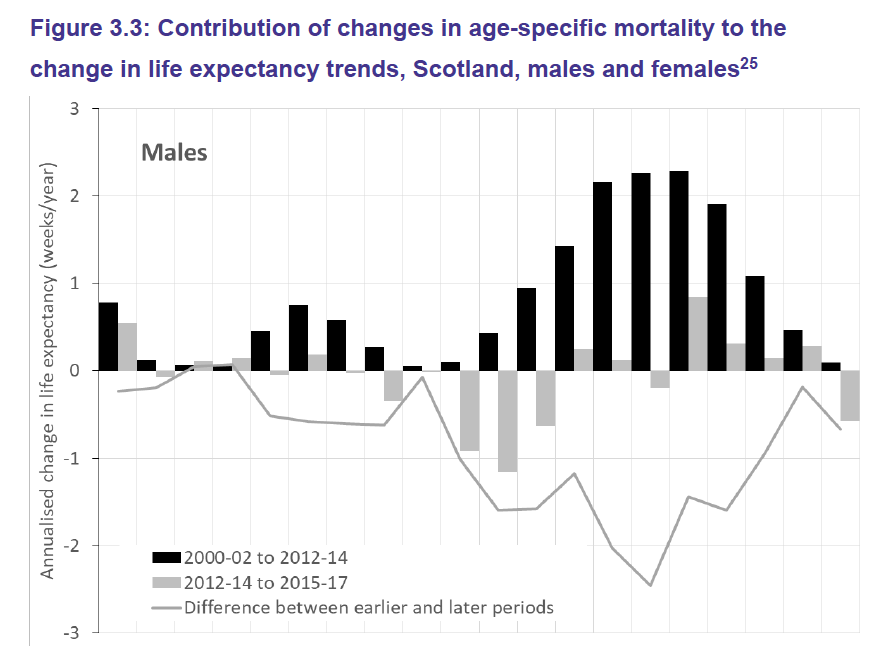
An actual reform programme would start by tackling the underlying causes of ill health. It is a national disgrace that men in the most deprived areas of Scotland not only live 14 years less but can expect to spend 35% of their lives in poor health. NHS capacity has to be grown, not cut. That means better primary care, dentistry and more beds in our hospitals. A fully integrated NHS that ends the costly small business model and the growth of corporate dentistry, financed from tax havens.
A National Care Service based on local accountability, which improves pay and conditions for carers in Scotland, improving the quality of social care and relieving the pressure on hospital capacity. We now have more patients that don’t need to be in a hospital than the number of beds in our largest hospital. We also need proper workforce planning and fair pay and conditions to tackle recruitment and retention in health and social care, ending reliance on exorbitant agency costs, locums, staff banks, and the private sector.
And last but not least, recognising that one size does not fit all in a diverse Scotland. A strategy for rural health care services.
The NHS is on life support. However, real reform must address the underlying pressures, which means tackling health inequalities and social care.
Nicola Sturgeon’s resignation has reminded everyone that she was the first SNP Health Secretary in 2007, holding the post until 2012. It has to be said she started well, building up constructive relationships with the trade unions. The previous Labour Health Minister, Andy Kerr, did many positive things but could be abrasive. In the main, she continued with the previous government’s policies. Labour had ended the marketisation of the NHS, abolished NHS Trusts, and introduced cooperation rather than competition. She went a little further by outlawing private companies running GP practices, a growing trend in England, and further developed the NHS partnership model of industrial relations. But, overall, it was continuity with emollience.
However, while continuity has its strengths, it also meant tough political decisions were ducked. Nicola Sturgeon binned a report by Professor David Kerr that proposed a shift from hospital to community care, with better social care integration. Consequently, when budgets tightened with austerity, bed numbers fell, but social care capacity did not respond to growing demand from an ageing population. After promising to scrap PFI, they rebranded it. Instead, we got worthwhile reforms around minimum alcohol pricing and free prescriptions, but the significant structural challenges were ignored. The focus on inequality and prevention, recommended by the Christie Commission, is still gathering dust on the shelf.
Now, in the wake of a pandemic, these long-standing issues are biting the NHS with a vengeance. Waiting times have spiralled along with staff vacancy rates, ambulances queue outside A&E, cancer treatment has slowed, drug deaths have doubled, and health inequalities are worsening. Even when they eventually got around to reforming social care, they took a sensible National Care Service plan around national frameworks and turned it into a centralised monster - devouring local government and community services in its wake.
So, it is now left to others to pursue genuine reform. Not Tory privatisation or insurance systems which, as Gordon Brown highlights, would add more costs to an NHS whose spending levels have not matched similar countries. A point seemingly lost on a particular Green Scottish Government minister as well.
As for Scottish Labour's new plan to merge health boards, that is fine as far as it goes. I recall coming across the same plan presented to a pre-devolution health minister when I worked in the health department. The problem is that merging acute boards makes sense only if you manage community services in another way. We have tried many different ways of doing this since Joint Finance in the 1970s, and none have been a complete success.
An actual reform programme would start by tackling the underlying causes of ill health. It is a national disgrace that men in the most deprived areas of Scotland not only live 14 years less but can expect to spend 35% of their lives in poor health. NHS capacity has to be grown, not cut. That means better primary care, dentistry and more beds in our hospitals. A fully integrated NHS that ends the costly small business model and the growth of corporate dentistry, financed from tax havens.
A National Care Service based on local accountability, which improves pay and conditions for carers in Scotland, improving the quality of social care and relieving the pressure on hospital capacity. We now have more patients that don’t need to be in a hospital than the number of beds in our largest hospital. We also need proper workforce planning and fair pay and conditions to tackle recruitment and retention in health and social care, ending reliance on exorbitant agency costs, locums, staff banks, and the private sector.
And last but not least, recognising that one size does not fit all in a diverse Scotland. A strategy for rural health care services.
The NHS is on life support. However, real reform must address the underlying pressures, which means tackling health inequalities and social care.

 RSS Feed